


Retailers who plan how to start a belt business quickly realize that supplier selection influences long-term profitability and product consistency. A belt collection must appeal to modern shoppers while maintaining dependable quality across every shipment. Buyers examine stitching, hardware strength, and material finish before placing repeat orders.
When retailers evaluate suppliers carefully, they avoid inconsistent inventory and unreliable restocks. A well-selected wholesale partner allows stores to maintain trend-focused belt collections, manage margins effectively, and build a reputation for dependable accessories.
The right sourcing strategy often becomes the foundation of a stable belt-focused retail category.
Look for Diverse Belt Categories
Retail success in accessories depends heavily on variety. Retailers entering the belt market should prioritize suppliers with several design directions rather than a narrow product range. Stores benefit when one vendor carries multiple belt categories that align with changing fashion preferences.
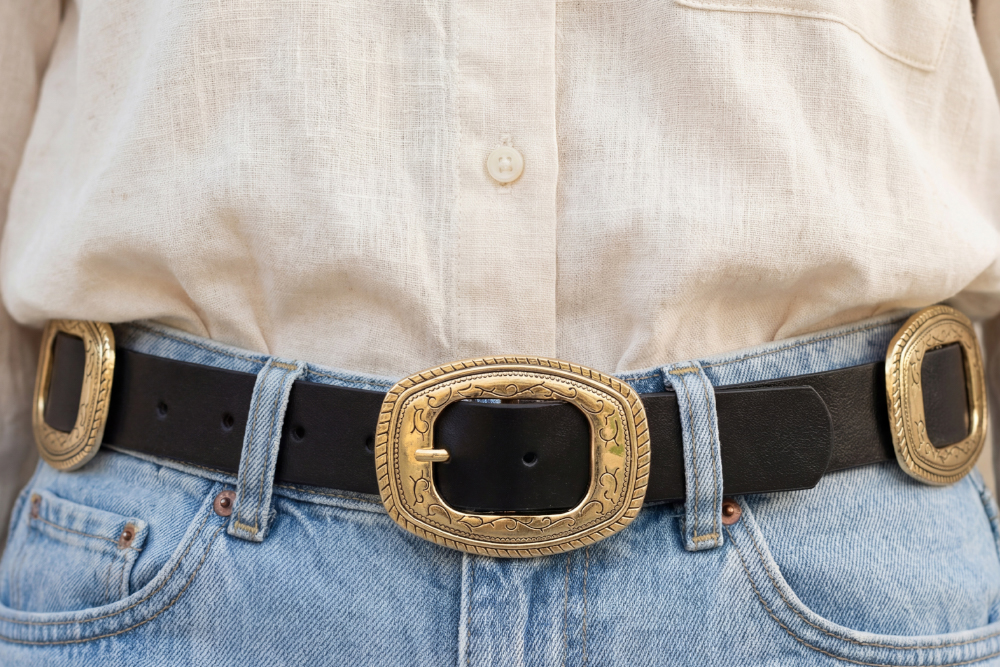
Collections that include chains and metals, concho and western belts, leather belts, and vegan leather belts allow retailers to address multiple customer segments at once. Chain-detailed belts often appeal to trend-focused fashion shoppers, while concho-inspired designs resonate strongly within western-style fashion markets. Leather belts continue to perform well in everyday wardrobe categories, while vegan leather options appeal to shoppers interested in alternative materials.
Evaluate Material Quality and Construction
Material selection directly influences durability, appearance, and customer satisfaction. Retail buyers should examine belt structure closely before placing larger wholesale orders. Hardware strength, stitching alignment, and finish consistency determine how well the belt performs during daily wear.
Chain belts require balanced metal weight so they remain comfortable without appearing fragile. Concho-style belts should feature properly secured decorative hardware that holds its shape during repeated use. For leather belts, surface texture and flexibility often reveal the quality of the hide. Vegan leather designs also require careful evaluation since material thickness affects how the belt maintains shape over time.
Retailers who assess construction standards carefully often reduce product returns and strengthen customer trust.
Prioritize Consistent Inventory Availability
Inventory gaps create lost sales opportunities for retailers. Belt suppliers should maintain steady restocking schedules and predictable product availability. Stores often build marketing campaigns or seasonal displays around specific accessory categories, which makes reliable inventory access extremely valuable.
Retailers who plan how to start a belt business should seek suppliers capable of maintaining product flow across high-demand categories. When a popular design sells quickly, a dependable restock timeline allows stores to replenish inventory without long delays.
Consistency within product lines also helps retailers maintain a cohesive store aesthetic. A belt display appears stronger when colors, hardware finishes, and design details remain aligned across different shipments.
Assess Pricing Structure and Wholesale Value
Wholesale pricing influences retail margin potential. Retailers should examine supplier pricing carefully to determine how profit margins will perform once products reach store shelves or online listings.
Suppliers that import or manufacture directly often offer stronger wholesale value because fewer intermediaries affect pricing. Competitive costs allow retailers to maintain attractive price points while protecting profit margins.
At the same time, pricing must reflect product quality. Extremely low-cost belts sometimes indicate weak materials or inconsistent construction.
Work With a Supplier that Understands Retail Growth
Retailers entering the belt category benefit from partners who understand evolving fashion cycles and product demand patterns. A supplier familiar with the accessory market can introduce new belt styles before trends peak.
At Fame Accessories, we work closely with retailers who are learning how to build profitable accessory categories. With us, businesses gain access to trend-aware belt collections, dependable product quality, and flexible sourcing options.
Our team focuses on helping retailers build strong accessory assortments that attract shoppers while maintaining competitive margins across growing stores.