


Retail success in accessories rarely comes from product alone. Earrings move when presentation, placement, and messaging align with buyer behavior. For resellers and store owners, understanding how to market earrings means connecting trend awareness with execution across digital storefronts and physical locations.
Wholesale buyers operate on margins, inventory turns, and audience response, not impulse emotion. Marketing decisions must reflect that reality.
This guide focuses on strategies that help businesses position earrings effectively, attract consistent demand, and build repeat purchasing across online and in-store environments in 2026 and beyond.
Position Earrings as Merchandising Assets, Not Single Products
Effective marketing starts with context. Earrings sell faster when shown as part of a broader assortment strategy. Online listings should highlight how styles fit into seasonal collections, trend edits, or price-tier groupings. In-store displays benefit from similar logic, grouping earrings by silhouette, finish, or use case instead of scattered placement.
For example, longer silhouettes like dangle and drop earrings work best when merchandised near occasion-driven accessories or elevated apparel sections. This placement helps retailers communicate purpose and styling value without overexplaining.
Use Visual Content That Matches Buyer Intent
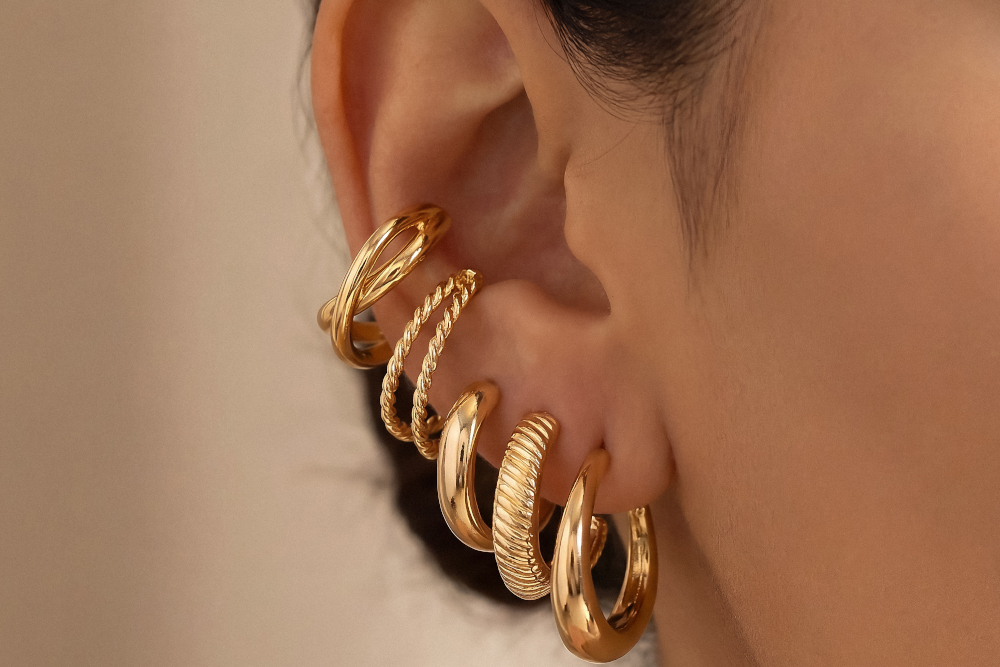
Wholesale-focused marketing relies on clarity. Product imagery must show scale, texture, and finish accurately. Online shoppers need to evaluate earrings quickly for resale suitability. Images should include close-ups, model shots, and clean backgrounds that work for reuse on social platforms and marketplaces.
Video content supports this goal when used selectively. Short clips that show movement or light reflection help buyers judge versatility. Avoid lifestyle visuals that target end consumers directly. The goal stays centered on resale confidence and inventory planning.
Strengthen Product Pages With Retail-Ready Details
Product descriptions act as silent sales tools. Clear information about materials, weight, backing type, and plating longevity helps buyers plan pricing and customer communication. This clarity reduces friction during purchasing decisions and lowers post-sale questions.
Retailers often reuse supplier descriptions across channels. Writing that anticipates this reuse adds value. Focus on neutral, adaptable language that suits boutiques, online shops, and larger retail floors equally.
Leverage Social Platforms As Wholesale Showrooms
Social media works best when treated as a visual catalog rather than a direct-to-consumer pitch. Consistent posting that highlights new arrivals, trend shifts, and restock alerts keeps buyers informed without overwhelming them.
Stories and reels work well for showcasing assortment depth. Featuring a mix of silhouettes such as studs, statement pieces, and hoop earrings helps buyers visualize balanced inventory strategies. Captions should focus on styling flexibility, pricing tiers, and retail relevance rather than emotional messaging.
Align In-Store Displays With Sales Data
Physical retail offers immediate feedback. High-performing earring styles often share visible traits such as size, finish, or color family. Smart merchandising uses this data to refine displays and rotate slower styles out of prime placement.
Display tools matter. Vertical racks improve browsing speed, while mirror placement encourages try-ons. Clear pricing and simple signage support faster decision-making, especially in high-traffic environments.
Support Retail Staff With Product Knowledge
In-store sales often depend on confident recommendations. Staff training should cover material quality, trend relevance, and pairing suggestions. This knowledge helps teams guide shoppers toward multiple-item purchases without pressure.
Wholesale partners that share selling insights help retailers move inventory faster. Talking points around care, durability, and styling versatility support smoother customer interactions.
Maintain Consistency Across Channels
Customers move between online discovery and in-store purchasing fluidly. Marketing must feel cohesive across both spaces. Visual identity, tone, and product focus should remain aligned to avoid confusion.
Retailers that treat online and in-store efforts as one system see stronger brand recognition and repeat traffic. Consistency builds familiarity, which drives trust and purchasing momentum over time.
How We Support Retail Growth at Fame Accessories
At Fame Accessories, we work closely with retailers who want their earring assortments to perform across channels. Our experience as both importer and manufacturer helps us develop styles that align with real selling environments.
We focus on trend-aware designs, competitive pricing, and responsive service so our partners can market earrings with confidence and clarity.