


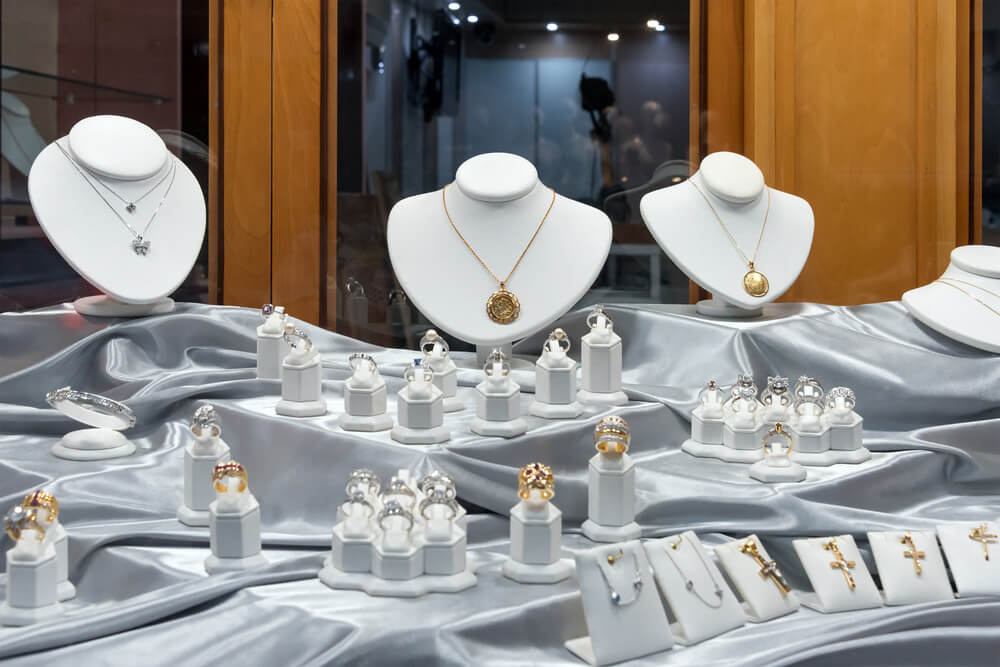
Selecting the appropriate materials for jewelry in your retail store is a vital part of defining your brand’s identity and ensuring your offerings align with customer expectations. Understanding who your customers are and what they value is the cornerstone of curating a selection that resonates with them. Whether your clientele prefers the timeless elegance of precious metals, the ethical allure of recycled materials, or the bold statement of costume pieces, your material choices should reflect their tastes and lifestyles.
Understanding Your Target Customer
Knowing your target customer is the first step in deciding which jewelry materials to stock in your retail store. If your customers are young and trend-focused, they may prefer pieces made from modern, less expensive materials that allow them to update their style frequently. Alternatively, classic materials like gold and silver might be more appropriate if your clientele leans toward a demographic that values tradition and longevity.
Take the time to research and understand your target customer’s preferences, spending habits, and values. Do they prioritize luxury, and are they willing to invest in higher-end pieces? Or do they seek affordability and trendiness? The answers to these questions will guide your selection process and ensure that your jewelry materials meet the expectations and desires of your customers.
Quality Vs. Cost Considerations
When choosing materials for jewelry, a balance between quality and cost is essential. High-quality materials like platinum and gold can command higher prices and offer lasting value, which might appeal to customers looking for heirloom pieces. On the other hand, less expensive materials such as stainless steel or plated metals can be perfect for fashion-forward, budget-conscious buyers.
It’s important to consider the longevity and wearability of the materials as well. While higher-cost materials often last longer and can be a good investment, there are also quality, affordable materials that can offer durability without a hefty price tag. Your selection should cater to the varied needs of your customers, providing options that offer both quality and value, no matter their budget.
Trend Forecasting and Market Research
Keeping a finger on the pulse of the jewelry industry through trend forecasting and market research is crucial. This process helps predict which materials will likely be in demand in the coming seasons. For instance, if warmer tones trend, you might consider stocking more rose gold or copper materials. On the other hand, if there’s a resurgence in retro styles, invest in materials that can be used to create pieces with a vintage feel.
Market research also involves monitoring what is selling well in the current market and why. This could include analyzing customer data, reviewing industry reports, and watching fashion influencers and designers. By understanding the trends, you can select materials that will meet the current demand and anticipate future needs, ensuring your store remains competitive and relevant.
Eco-friendly and Sustainable Options
With increasing consumers prioritizing sustainability, offering eco-friendly jewelry materials is more important than ever. This could include recycled metals, ethically sourced gemstones, or materials from renewable sources. Not only do these options appeal to environmentally conscious customers, but they also demonstrate your brand’s commitment to responsible sourcing.
Providing sustainable materials can also set your store apart from competitors who may still need to embrace this shift. This initiative can attract a loyal customer base willing to support businesses that reflect their values of environmental stewardship. Moreover, by championing sustainable practices, you contribute to the larger movement of reducing the jewelry industry’s ecological footprint, which can be a strong selling point and part of your brand’s story.